
Drafty windows can make a room feel too hot in summer and too cold in winter, even when your heating or cooling system works hard. Curtains and drapes help by slowing heat transfer, blocking direct sun, and reducing small drafts around the window. In this guide, you’ll learn how fabric, length, lining, layering, and proper hanging can help your room feel more comfortable.
Quick Answer
Curtains and drapes can help control room temperature when they cover the window well and use thick or lined fabric. Thermal curtains, blackout linings, and floor-length panels reduce heat gain in warm months and heat loss in cold months. For best results, hang them high, wide, and close enough to limit air gaps.
Key Takeaways
- Choose thick, tightly woven, or thermal-lined curtains to slow heat transfer.
- Hang curtain rods several inches above and beyond the window frame to reduce drafts.
- Use floor-length panels when you want stronger insulation around the window.
- Layer sheer curtains with heavier drapes when you want light control and insulation.
- Clean and adjust curtains often so they keep blocking light, drafts, and heat.
Struggling With Room Temperature? Discover How Curtains Can Help

If you struggle to keep a room comfortable, your windows may play a bigger role than you think. Curtains can act as a soft barrier between the glass and your living space. They help reduce heat gain from direct sun and help hold warmth inside when outdoor air turns cold.
Blackout curtains work well in sunny rooms because they block light that can warm the space. Lined curtains also help by trapping a layer of air near the window. For the best fit, choose curtains that extend beyond the window frame and reach close to the floor.
How Thermal Insulation in Curtains Works
Curtains improve comfort because they slow the movement of heat through windows. Glass transfers heat more easily than insulated walls, so a covered window often feels less drafty. Thick fabric, lining, and close coverage all help create a buffer zone.
The best curtain setup limits three problems: heat from sunlight, cold air near the glass, and drafts around the frame. Curtains cannot replace proper window sealing, but they can make a clear difference in how a room feels.
Types of Thermal Fabrics
The right fabric can improve comfort without making the room feel heavy or dark. Thick polyester, velvet, and tightly woven cotton all reduce airflow better than thin, loose fabric. Thermal-backed curtains add a special lining that helps slow heat movement.
| Fabric Type | Insulation Strength | Best Use |
|---|---|---|
| Heavy Polyester | High | Bedrooms and living rooms |
| Velvet | High | Cold rooms and formal spaces |
| Tightly Woven Cotton | Moderate | Casual rooms with softer light |
| Thermal-Lined Fabric | High | Rooms with drafts or strong sun |
Insulation Properties Explained
Curtains insulate best when they reduce open gaps around the window. A thick panel creates a still layer of air between the room and the glass. That layer helps slow heat loss in winter and heat gain in summer.
Heavier fabrics usually perform better than lightweight sheers. Blackout linings can also help because they block direct sunlight and add more material between the room and the window.
Energy Efficiency Benefits
Energy-efficient curtains can reduce the need for heating and cooling, especially in rooms with large or older windows. The exact savings depend on your window type, climate, curtain fit, and how often you open or close the panels. You’ll usually see the best results when curtains cover the full window and sit close to the wall.
Curtain color can also affect comfort. Light colors reflect more sunlight, which helps in hot rooms. Dark colors absorb more warmth, which may help in cooler spaces but can increase heat in sunny rooms.
How to Select Thermal Curtains for Better Temperature Control
Choose thermal curtains with thick fabric, tight weaving, and a lined or coated back. These details help the curtain block drafts, reduce glare, and slow heat transfer. A heavier panel often hangs better and creates fewer gaps along the sides.
Look for curtains that clearly state thermal or insulating features on the label. For sunny rooms, blackout or light-blocking linings can reduce heat from direct sun. For cold rooms, choose floor-length panels that cover the full window area.
Pro tip: For the strongest temperature control, pair thermal curtains with sealed window gaps and weatherstripping.

How to Measure Windows for Optimal Curtain Coverage
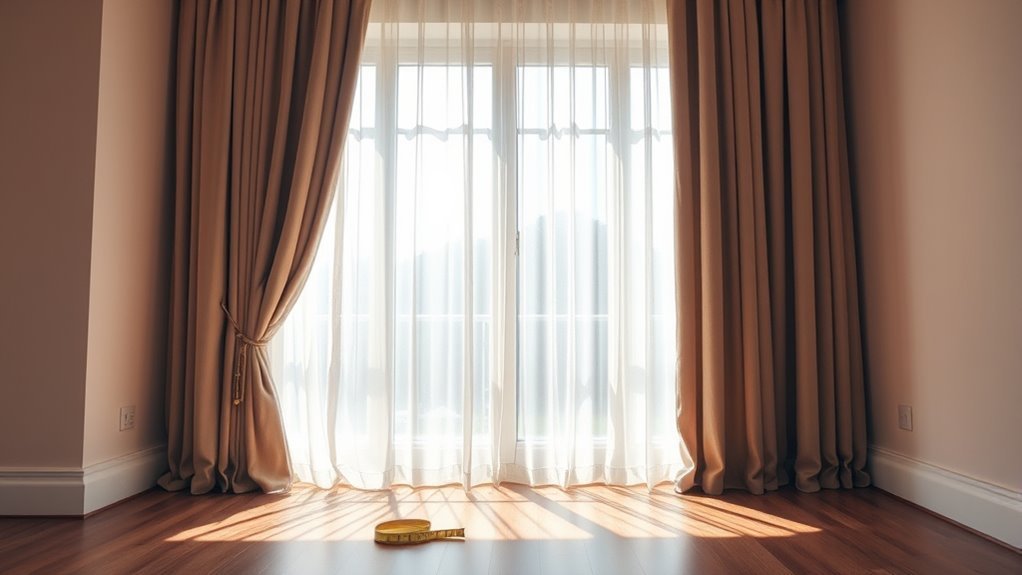
Accurate measurements help your curtains cover the window without leaving side gaps. Measure the window width first, then add 4 to 10 inches on each side for better coverage. This wider setup helps block drafts and makes the window look larger.
For fullness, choose curtain panels with a combined width about 2 to 2.5 times the window width. Measure from the planned rod height to the floor or sill, based on your preferred length. Floor-length curtains should hover about 1/2 inch above the floor for a clean look.
How to Hang Curtains to Boost Energy Efficiency
The way you hang curtains matters as much as the fabric you choose. Mount the rod several inches above the window frame to reduce exposed glass. Extend the rod beyond the frame so the panels can cover side gaps when closed.
Hang curtains close to the wall when you can. A closer fit helps trap air near the window and limits drafts around the edges. Use sturdy brackets so heavier drapes stay level and close smoothly.
- Mount rods high enough to cover the top of the window fully.
- Extend rods wide enough to let panels cover the frame edges.
- Choose enough panel width so curtains look full when closed.
- Close curtains during the hottest or coldest parts of the day.
How Curtain Length Affects Temperature Regulation
Curtain length affects how much air can move around the window. Short curtains may look neat, but they leave more space for warm or cold air to pass through. Longer curtains create a better barrier because they cover more of the wall and window area.
Short Curtains Can Let in More Heat and Drafts
Short curtains can allow more sunlight, heat, and air movement around the lower part of the window. That may make a room feel warmer in summer and colder in winter. They work best when style matters more than insulation.
- More sunlight: Short curtains leave more glass exposed and can increase heat gain.
- Less insulation: They block less airflow than longer panels.
- More temperature swings: Open gaps can make rooms feel less stable.
Long Curtains Improve Coverage and Comfort
Long curtains can improve comfort because they cover more of the window area. Floor-length panels help block drafts near the sill and lower frame. For stronger results, choose heavy or lined fabric.
| Curtain Length | Insulation Quality | Best Use |
|---|---|---|
| Floor-Length | High | Temperature control |
| Mid-Length | Moderate | Casual rooms |
| Short | Low | Kitchens and small windows |
| Heavier Fabrics | Best | Drafty or sunny windows |
| Lighter Fabrics | Low | Light filtering |
Layering Techniques for Improved Insulation
Layering curtains gives you more control over light, privacy, and temperature. A sheer layer can soften light during the day, while a heavier drape adds insulation when closed. This setup works well in bedrooms, living rooms, and rooms with strong sun.
- Pair sheers with heavier drapes: Use sheers for light control and drapes for insulation.
- Add thermal or blackout liners: Use liners to reduce heat gain and heat loss.
- Use double-layered designs: Add more fabric layers to reduce drafts near the glass.
Keep each layer easy to move. Curtains only help temperature control when you open and close them at the right times.
Tips for Maintaining Effective Curtains
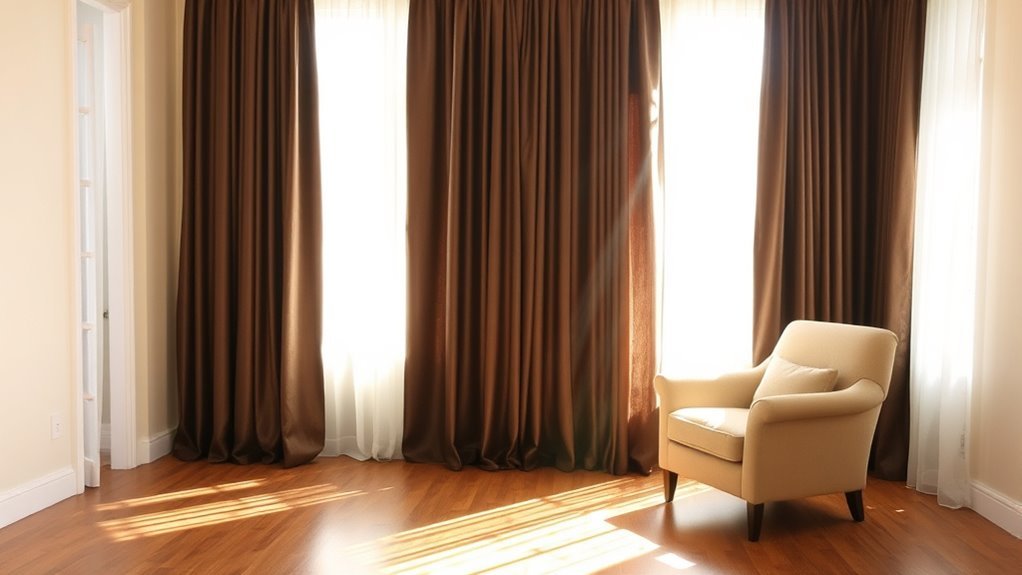
Clean curtains work better and look better. Dust can build up on fabric and make panels harder to open and close. Follow the care label so you do not shrink, fade, or damage lined curtains.
Check the rod, brackets, rings, and hooks a few times a year. Tight hardware helps curtains hang close to the wall and cover the window evenly. Replace bent hooks or weak brackets when panels start to sag.
- Vacuum curtains with a soft brush attachment.
- Wash or dry-clean panels based on the care label.
- Close curtains during peak sun on hot days.
- Open curtains on sunny winter days to let warmth in.
- Close panels at night to reduce heat loss.
Energy-Efficient Curtain Design Trends to Consider
Energy-efficient curtains now combine comfort, style, and easier daily use. Many designs use thermal lining, blackout backing, or tightly woven fabrics. These features help you control light and temperature without giving up style.
- Thermal lining: Lined panels add insulation and help rooms feel more stable.
- Blackout curtains: Light-blocking designs help reduce glare and solar heat gain.
- Eco-conscious fabrics: Organic cotton and recycled fibers can support a lower-waste home.
Choose the trend that fits your room’s main problem. A sunny bedroom may need blackout curtains, while a cold living room may need heavy thermal drapes.
Common Mistakes That Reduce Curtain Insulation
Small hanging mistakes can weaken even high-quality curtains. Panels that stop too short, sit too narrow, or leave a gap at the top will let air move around the window. Poor fullness can also make curtains look thin and reduce coverage.
Avoid rods that match the exact window width. Use a wider rod so closed curtains overlap the frame on both sides. Choose enough fabric so the panels stay full instead of stretching flat across the window.
Frequently Asked Questions
What Is the Correct Way to Put Curtains?
Mount the rod above the window frame and extend it several inches past each side. Choose panels that fully cover the window and hang close to the floor when you want better insulation. Use sturdy brackets that can support the fabric weight.
What Is the Current Trend for Curtains?
Current curtain trends focus on layered looks, natural textures, thermal lining, and soft neutral colors. Many homeowners also choose blackout or energy-efficient curtains for bedrooms and sunny rooms. The best trend is the one that solves your room’s comfort problem.
What Are the Common Mistakes in Hanging Curtains?
Common mistakes include hanging rods too low, choosing panels that are too narrow, and using curtains that stop too far above the floor. Thin fabric can also reduce insulation if the room has drafts or strong sun. Measure carefully before you buy panels.
How Many Curtains for a 72 Inch Window?
For a 72-inch window, use two panels with a combined width of about 144 to 180 inches for good fullness. Wider panels cover better and hang with softer folds. Choose longer panels if you want stronger insulation.
Do Thermal Curtains Work in Summer and Winter?
Thermal curtains can help in both seasons. In summer, they reduce heat from direct sun when closed during peak heat. In winter, they help hold warmer indoor air away from cold glass.
Are Curtains Enough to Fix Drafty Windows?
Curtains can reduce the feeling of drafts, but they do not seal air leaks. If you feel strong airflow around the frame, seal gaps with caulk, weatherstripping, or window film. Curtains work best as part of a full window comfort plan.
Conclusion
The right curtains can make your room feel more stable, comfortable, and energy smart. Focus on thick fabric, full coverage, proper length, and careful hanging before you worry about style details. Start with your draftiest or sunniest window, then choose curtains that solve that room’s main problem. With a few smart changes, your windows can work harder for your comfort every day.