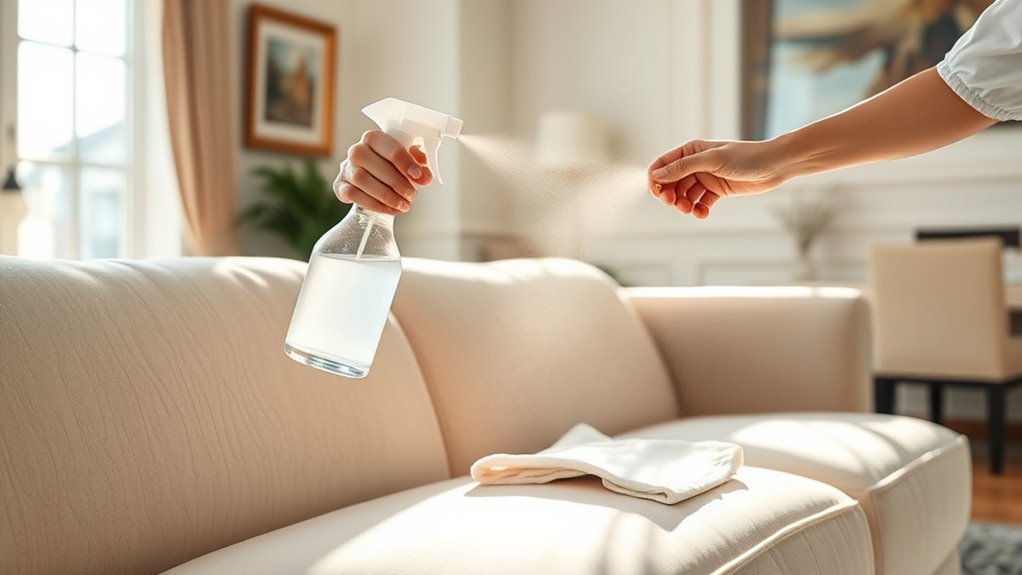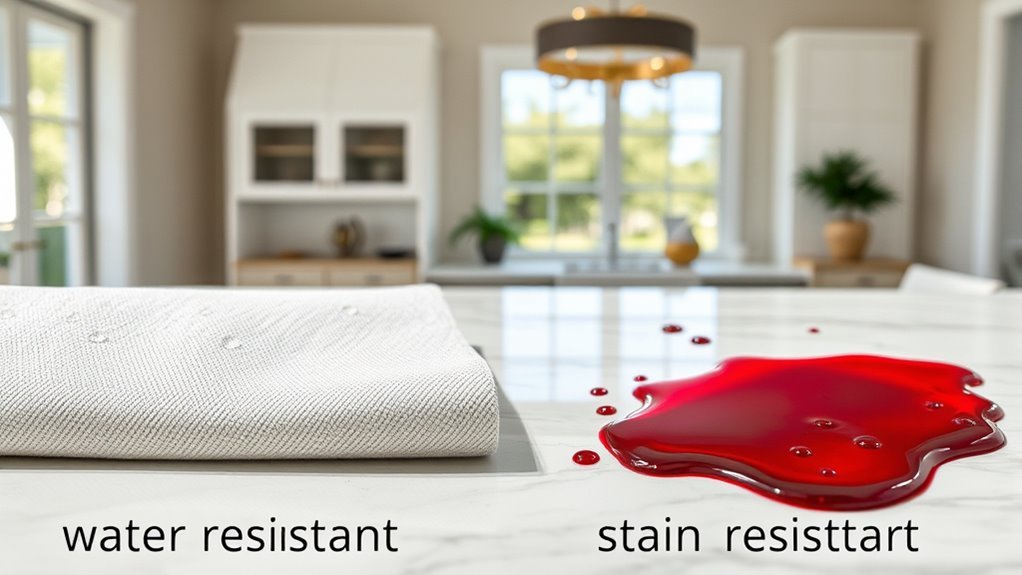
Spills and moisture can damage fabric in different ways, so one protective label can’t tell the full story. Stain resistance helps fabric resist marks from food, oil, dirt, and other spills, while water resistance helps fabric shed light moisture before it soaks through. This guide explains how each feature works, how fabrics get tested, and how you can choose the right option for your home, clothing, or outdoor gear.
Quick Answer
Stain-resistant fabric helps prevent marks and discoloration from spills, oils, and dirt. Water-resistant fabric helps repel light moisture, but it does not always block water under heavy rain or pressure. Choose stain resistance for dining rooms, family rooms, and busy indoor spaces. Choose water resistance for outdoor cushions, jackets, bags, and other items exposed to damp conditions.
Key Takeaways
- Stain resistance protects fabric from marks caused by food, oil, dirt, and spills.
- Water resistance helps fabric shed light moisture before water soaks into the fibers.
- Water-resistant fabric is not the same as waterproof fabric, which blocks higher water pressure.
- Testing methods differ because stains and water affect fabric in different ways.
- Good care helps both stain-resistant and water-resistant finishes last longer.
Defining Water Resistance: Key Characteristics Explained
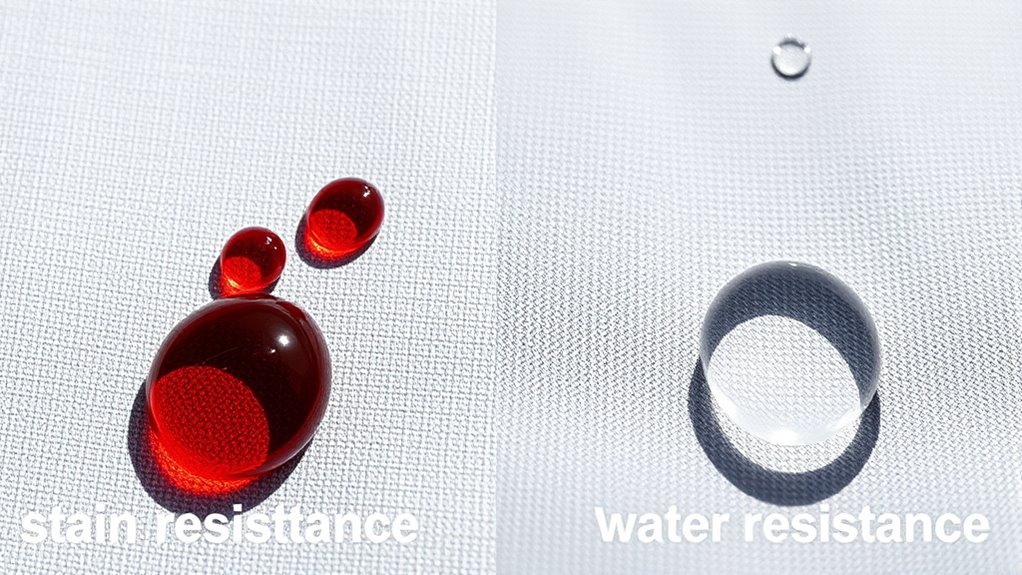
Water resistance describes how well a fabric slows or limits water from passing through it. Water-resistant fabrics can handle light moisture, brief contact with rain, or small splashes. They do not provide the same protection as fully waterproof materials.
Many fabric makers measure water resistance with a hydrostatic head rating. This rating shows how much water pressure a fabric can handle before leakage begins. Fabrics rated around 1,500mm to 5,000mm often fall into the water-resistant range, while higher ratings may support waterproof use.
Water-repellent fabrics work a bit differently. They use surface finishes that make liquid bead up, so you can wipe it away more easily. Common base fabrics include nylon and polyester, especially for jackets, bags, outdoor covers, and cushions.
Understanding Stain Resistance: What It Means for Fabrics
Stain resistance describes how well a fabric resists marks, discoloration, and buildup from spills or solids. It helps protect the look of fabric in places where food, drinks, dirt, and body oils often reach the surface.
Manufacturers often add stain-resistant treatments during production. These treatments create protective barriers that slow the way oils, grease, and other substances enter the fibers. Some fabrics also use tight weaves that make it harder for stains to settle in.
Stain repellent usually refers to a finish that helps liquid bead on the surface. Stain resistance focuses more broadly on limiting marks and discoloration. The two features can overlap, but they do not mean the same thing.
How Does Stain Resistance Work in Fabrics?
Stain resistance works through fabric structure, surface chemistry, or both. A treatment can lower the surface energy of the fabric, which makes many spills less likely to spread and soak in. A dense weave can also slow absorption.
Some finishes target oil-based stains, while others focus on water-based spills. This matters because cooking oil, wine, coffee, mud, and sauce do not behave the same way on fabric. A fabric that handles one type of spill well may still need fast cleaning for another.
Many newer finishes use water-based or solvent-free formulas. These options can reduce harsh chemical use while still helping fabric resist everyday marks. Always check the product label because treatment type, durability, and cleaning rules vary by fabric.
Note: Stain-resistant fabric still needs quick cleanup because no fabric finish can stop every spill from leaving a mark.

Key Methods for Assessing Water Resistance
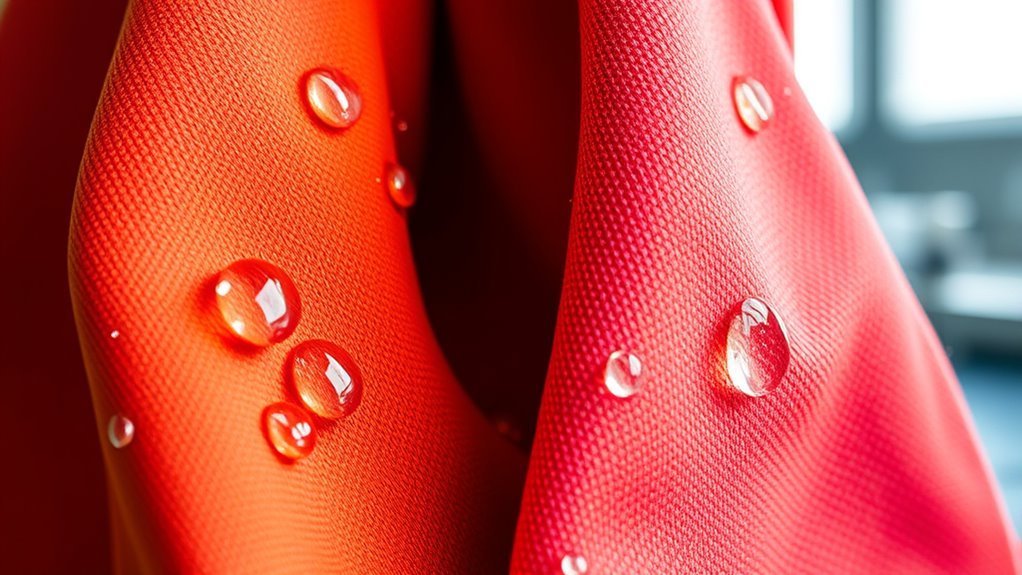
Fabric labs use several tests to measure how well a material handles water. The most common methods include the Hydrostatic Head Test, spray tests, and rain tests. Each test checks a different type of exposure.
These tests help you compare fabrics more clearly. A jacket, patio cushion, and tent fabric may all need moisture protection, but they face different levels of pressure and exposure.
Hydrostatic Head Test
The Hydrostatic Head Test measures the water pressure a fabric can resist before water leaks through. The result appears in millimeters of water, often written as mmH₂O.
A higher number means the fabric can handle more pressure. Fabrics in the 1,500mm to 5,000mm range often suit light rain or short exposure. Fabrics above that range may work better for heavier rain, depending on the design, seams, and coating.
This rating helps outdoor apparel and gear brands describe water protection. It also helps you choose fabric based on how much rain, pressure, or wet contact the item may face.
Spray And Rain Tests
The Spray Test checks how well a fabric surface sheds water. Water sprays onto the fabric, then testers rate beading, wetting, and surface absorption. This method helps show how well a water-repellent finish performs.
The Rain Test simulates rainfall in a controlled setting. Testers watch for leakage, wetting, and changes in the fabric during exposure. This gives a more practical view of how fabric may perform outside.
Together, these tests help sort fabrics into water-repellent, water-resistant, or waterproof categories. They also show why one water-related label may not tell you enough by itself.
Comparing Stain and Water Resistance: Key Differences
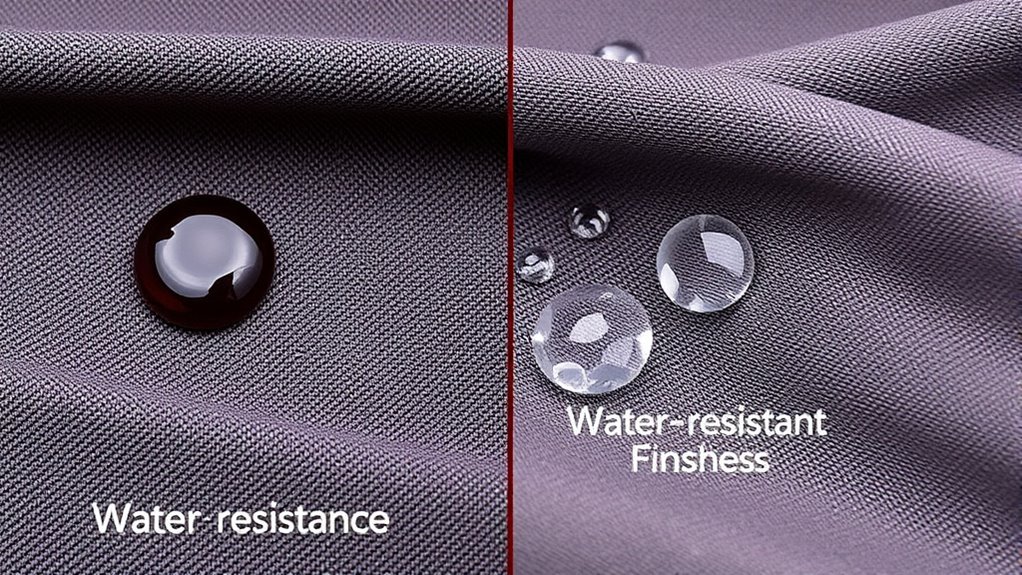
Stain resistance and water resistance solve different fabric problems. Stain resistance focuses on marks and discoloration. Water resistance focuses on moisture and wetting.
You may need one feature, or you may need both. A dining chair needs strong stain protection. A patio cushion benefits from water resistance. A busy family room sofa may need both features for better daily performance.
| Feature | Stain-Resistant Fabric | Water-Resistant Fabric |
|---|---|---|
| Main purpose | Helps prevent visible marks and discoloration. | Helps slow or repel moisture. |
| Best for | Dining chairs, sofas, office seating, and family rooms. | Outdoor cushions, jackets, bags, and covers. |
| Common threat | Food, drinks, grease, dirt, and body oils. | Light rain, splashes, humidity, and damp surfaces. |
| Key limit | It does not make fabric spill-proof. | It does not always make fabric waterproof. |
Definitions and Functions
Stain resistance helps fabric resist discoloration from liquids and solids. It protects appearance, especially in high-use spaces where spills happen often.
Water resistance helps fabric limit water penetration. It can keep light moisture on the surface long enough for you to wipe it away. Under enough pressure or long exposure, water may still pass through.
These features can work together, but each one uses different tests and care rules. Read the label before you assume one finish provides both types of protection.
Performance Applications and Limitations
Stain-resistant fabric works well for indoor spaces that face food, drinks, pets, children, or daily use. It helps furniture and textiles look cleaner for longer. It also reduces the stress of minor spills.
Water-resistant fabric suits damp areas, outdoor use, and gear that may face light rain. It helps manage moisture, but it may not keep the inside dry during heavy rain or long exposure.
Both finishes can wear down with use and cleaning. Harsh cleaners, abrasion, heat, and sunlight can reduce performance over time.
Testing Methods for Measuring Stain Resistance
Fabric makers and labs test stain resistance by exposing fabric to common staining agents. These tests help show how well a fabric resists spills, oils, and repeated use.
Common methods include:
- AATCC Test Method 130: Measures how easily oily stains release from fabric after cleaning.
- AATCC Test Method 175: Evaluates how well fabric resists staining from liquid spills and soil exposure.
- Rub Tests: Simulate abrasion and wear, which can weaken stain-resistant finishes over time.
- Rating Scales: Compare stain resistance levels so buyers can judge performance more easily.
These tests do not promise perfect protection. They help you compare fabrics under controlled conditions before you choose one for daily use.
Real-World Applications: When to Choose Stain vs. Water Resistant Fabrics
Choose stain-resistant fabrics for dining rooms, family rooms, playrooms, offices, and pet-friendly spaces. These areas face spills, dirt, and frequent contact. A stain-resistant finish can help the fabric keep its color and surface appearance.
Choose water-resistant fabrics for outdoor cushions, rain jackets, tote bags, backpacks, and covers. These items need help with moisture, damp air, or light rain. For long storms or wet ground contact, look for waterproof materials instead.
Choose a fabric with both features when the item faces stains and moisture. Outdoor dining cushions, kitchen banquettes, and family room upholstery often need this mix.
Making Informed Choices: Selecting the Right Fabric for Your Needs
The right fabric depends on where and how you’ll use it. Start with the main problem you need to solve. Then check the product label for treatment details, test ratings, and care rules.
Use these questions to guide your choice:
- Where will you use it? Indoor spaces, outdoor areas, and high-traffic rooms need different protection.
- What will touch it most? Food, pets, rain, sunscreen, mud, and body oils affect fabric in different ways.
- How often will you clean it? Some finishes handle frequent cleaning better than others.
- Does the label list test ratings? Water ratings, stain tests, and care instructions give better guidance than broad marketing terms.
Pro tip: For upholstery, ask for a fabric sample and test a hidden corner before you commit.
Tips for Maintaining Stain and Water Resistant Fabrics
Stain and water-resistant fabrics last longer when you clean them gently and consistently. Use mild soap and water unless the care label gives different directions. Blot spills instead of rubbing them into the fibers.
Avoid bleach, harsh solvents, and abrasive brushes unless the manufacturer approves them. These products can strip coatings, weaken fibers, or change the fabric color.
Some water-repellent finishes need reapplication after wear or washing. Use only treatments recommended for the fabric type. Store outdoor fabric in a cool, dry place when you don’t use it for long periods.
Frequently Asked Questions
What Does It Mean When a Fabric Is Water Resistant?
A water-resistant fabric slows water penetration and helps shed light moisture. It may protect against splashes or brief rain, but it may not block heavy rain or standing water.
What Does “Stain Resistant Fabric” Mean?
Stain-resistant fabric has a weave, finish, or treatment that helps prevent visible marks. It makes many spills easier to clean, but it does not make fabric stain-proof.
Is It Worth Getting Stain-Resistant Fabric?
Stain-resistant fabric can be worth it if you have kids, pets, frequent guests, or high-use furniture. It can reduce cleanup time and help fabric look better for longer.
Which Is Better, Waterproof or Resistant?
Waterproof fabric gives stronger protection when you need to block water under pressure or long exposure. Water-resistant fabric works better for light moisture when comfort, breathability, or softness matters more.
Can A Fabric Be Both Stain-Resistant And Water-Resistant?
Yes, some fabrics offer both stain and water resistance. Check the product label because one feature does not automatically include the other.
Conclusion
The best fabric choice starts with the problem you need it to solve. Pick stain resistance when spills, grease, and dirt pose the biggest risk. Pick water resistance when damp weather, splashes, or outdoor use matter more. Before you buy, read the label, review the care instructions, and match the fabric finish to your daily use. With the right choice, your fabric can stay cleaner, last longer, and perform better in the spaces where you need it most.